I had really mixed feelings about Ayuthaya. It was only natural, I suppose – my first encounter with the backpacker infrastructure and all that it entails, my first nights sleeping (badly) in a fan room rather than an air conditioned one, my first mosquito bites, my first participation in a gratifying but possibly dubious activity (elephant rides). Despite many pleasures – museums! Ruins! Meeting Hans, the awesome 50 something who is cycling around Thailand solo! – I found myself getting really grumpy about the heat, the traffic, and the cost of everything.
Now wait a minute, you may be thinking, Thailand is cheap! Well, it is and it isn’t – the thing that surprises you is that it doesn’t scale as you’d expect. My two coffees today cost 100 baht. That is around $3, which is about what they would cost at home. But our room in Ayuthaya cost 400 baht. That means coffee can be 1/4 or more of the cost of your room, which is very expensive. I am starting to worry about affording experiences that cost far beyond this, like zip lining or diving, which I had hoped to enjoy. I’m thinking of giving up the American style coffee I had been clinging to.
Anyway, these worries and discomforts were getting to me, so I decided to get away a bit. We went to Wat Phanan Choen, which has an absolutely enormous Buddha and is a working Wat, not a ruin. It was touching to see people wrapping the giant Buddha in ceremonial orange cloth and tossing the loose bolts of it into the crowd, which people strained to touch and pull about their own heads. We saw people praying to many different smaller sculptures and images of the Buddha around the temple. We saw people release fish into the river adjacent, which were quickly eating by much larger fish that were wriggling on the surface of the river in excitement.
We ate some egg custard served by an ancient woman with betel nut stained teeth, which I had read about but never seen before.
I then parted with The Professor and did a solo bike ride on the far side of the river, in the Muslim quarter. Muslim outskirts would be more like it. I rode through long green shining rice paddies filled with herons and the like, past long-eared skinny cows with humps on their backs, and by practical rural businesses: the lumber yard, the hardware store, the coffee stand. Here were both new palatial homes and tin-sided shacks that I never would have realized were homes were it not for the flip flops out front and the glimpse of a mattress behind a curtain door.
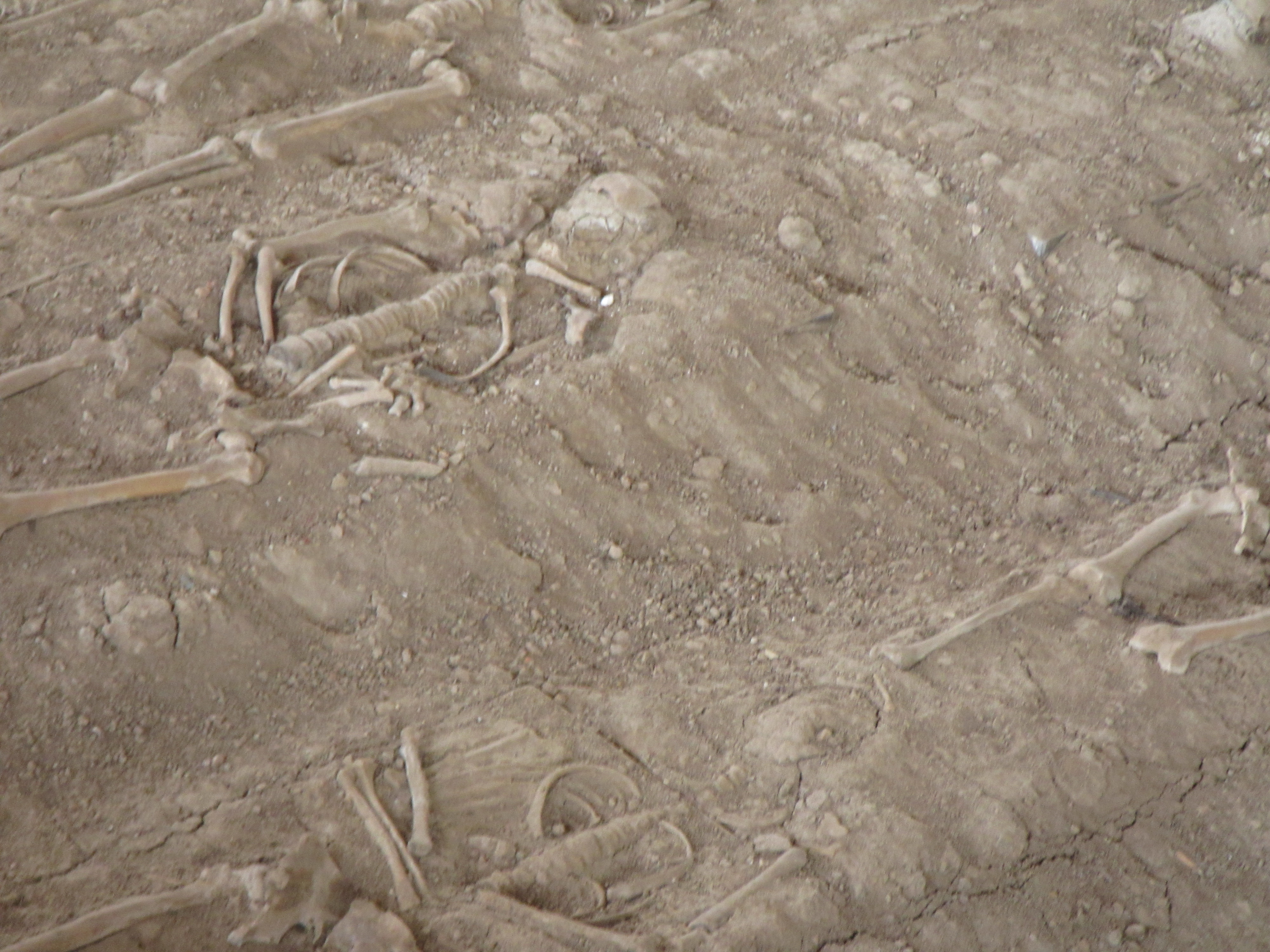
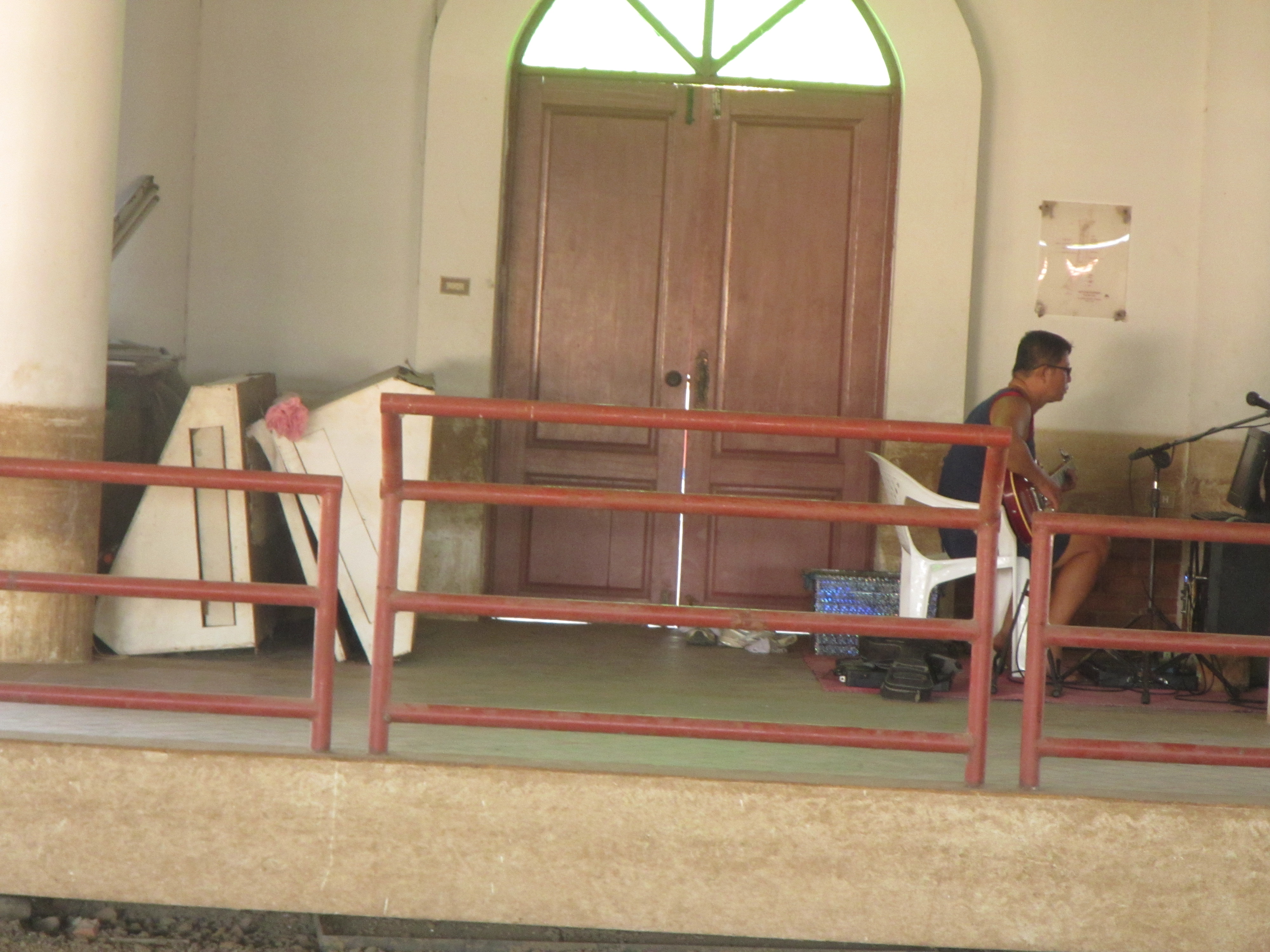
I was really happy to be in a sweet smelling green place, where the only amplified sound was a few moments of a muzzein noting a time of prayer for these folks. I bought some satay, sticky rice and a tamarind soda from some smiling women at a roadside stand. I then biked to the ruins of a Portuguese settlement, where a man was practicing electric guitar ballads next to the excavated skeletons of European merchants.
It was a good ride. The Professor and I took the rest of the day easy. Good thing: the overnight bus to Chiang Mai that night was a freezing cold, loud, bumpy 12 hour experience. But we survived and are now happily settled for a couple of days.
– The Private Eye
 The Professor and the Private Eye: Adventures Abroad
Darryl Daugherty
December 30, 2012 at 20:22
Chiang Mai has a very good “coffee culture” as compared to much of Southeast Asia. Keep your (private) eyes peeled for the hot beverage carts that ply the streets in the mornings, and there are plenty of small stands at various storefront restaurants. You won’t be getting a world-class espresso beverage, but the charm of standing on the sidewalk with a piping hot glass (not cup) of coffee in the crisp morning air… Well, you’ll see.
The Fruitbat
December 31, 2012 at 10:37
I’m reminded of a (much homier) collision when one tries to grasp the implication of costs and prices in historical contexts within our own society’s past. As with foreign travel, one can make a simple inflationary adjustment between today and a century or two ago but it’s highly reductive. Labor (and by extension any labor-intensive economic product) was disproportionately cheap, while food and anything that required transport was disproportionately expensive.
The moral of the story anyway is that our society embarked on a deliberate project involving certain specific kinds of optimizations, and so when we compare to other projects the results are typically uneven.